

More Than Whisky and Shortbread
Scottish food is often misunderstood by overseas visitors. Many arrive expecting little more than deep-fried novelties, whisky and shortbread tins in airport shops. The reality is far richer.
Traditional Scottish food is shaped by landscape, weather, farming, fishing and centuries of resourcefulness. It is hearty without always being heavy, simple without being bland and deeply connected to place.
From coastal seafood to Highland game, from oat-based baking to slow-cooked comfort food, Scotland’s cuisine reflects the country itself. Rugged, practical and full of character.
If you are planning a trip to Scotland, these are ten traditional Scottish foods genuinely worth trying.

1. Haggis
No list of Scottish food is complete without haggis.
For many visitors, haggis is surrounded by myth, jokes and nervous curiosity. Yet most people who actually try it are surprised by how rich, savoury and comforting it tastes.
Traditional haggis combines minced lamb with oats, onion, spices and stock before being cooked slowly. The result is earthy, peppery and deeply warming. Served with neeps and tatties, haggis remains Scotland’s national dish for good reason.
The best way to experience it is not in a tourist pub but as part of a traditional Scottish dining experience where you can understand the history, preparation and culture behind the dish.
At The Haggis Experience guests can watch handmade haggis being prepared before sitting down to enjoy a traditional supper in a rural barn setting near Loch Lomond. Plan Your Visit.

2. Cullen Skink
Cullen skink is one of Scotland’s great comfort foods.
This thick smoked haddock soup originated in the fishing town of Cullen in Moray. Made with smoked fish, potatoes, onions and cream or milk, it is rich without being overly complicated.
A good bowl of Cullen skink on a cold Scottish day is difficult to beat.
It is particularly popular in coastal regions and traditional Scottish hotels.
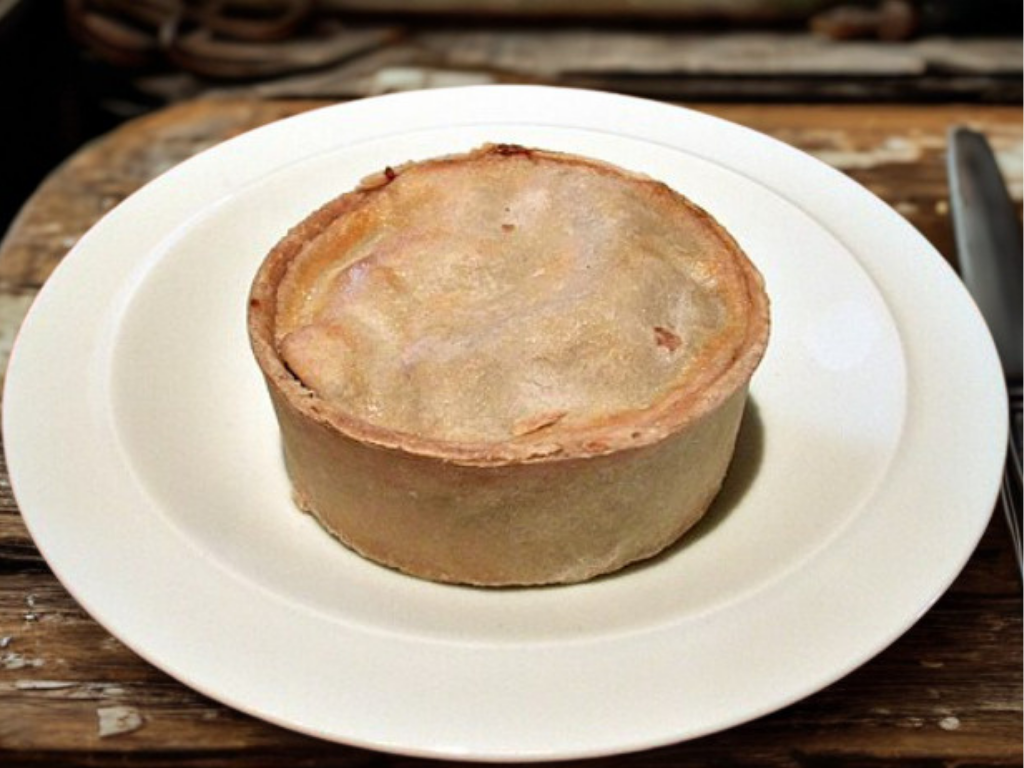
3. Scotch Pie
The Scotch pie is classic Scottish working food.
These small double-crust meat pies are traditionally filled with minced mutton or heavily seasoned meat. Designed to be portable and filling, they became popular among labourers, football fans and travellers.
You will still find excellent Scotch pies in independent bakeries across Scotland.
Eat one hot with brown sauce and you will understand why they have endured for generations.
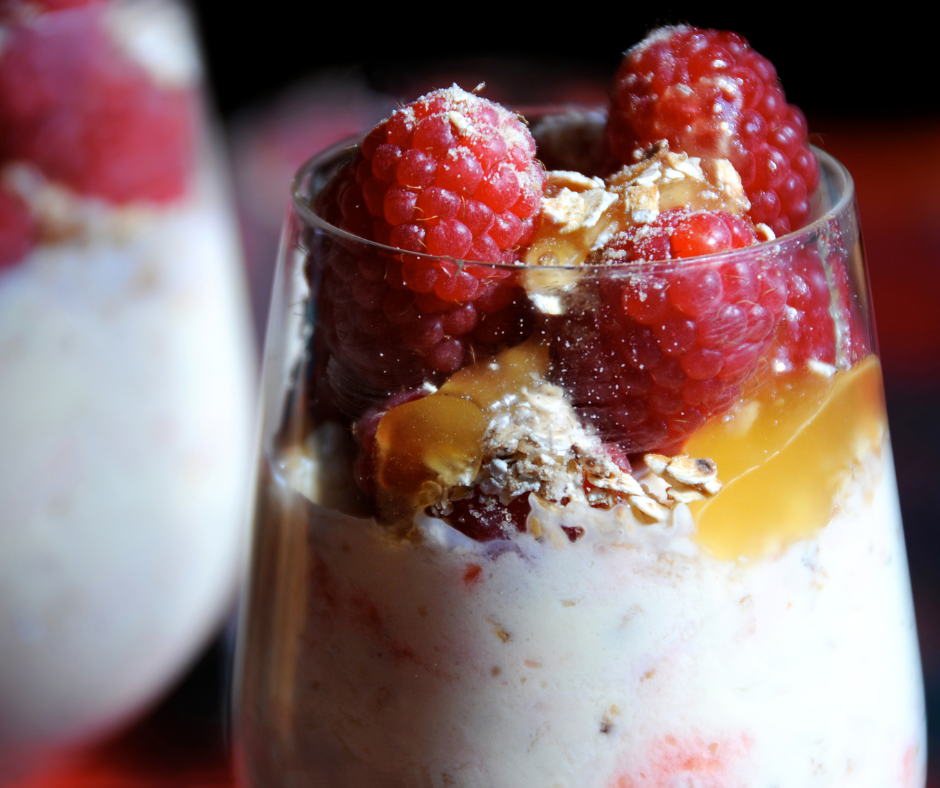
4. Cranachan
Cranachan is Scotland’s great summer dessert.
Made from whipped cream, raspberries, toasted oats, honey and whisky, it combines some of Scotland’s most iconic ingredients into one dish.
Traditional cranachan balances sweetness with texture and a subtle whisky warmth.
It is often served during summer months when Scottish raspberries are at their best.

5. Arbroath Smokies
Arbroath smokies are a protected Scottish delicacy.
These hot-smoked haddock are traditionally prepared in barrels over hardwood fires in the fishing town of Arbroath.
The smoking process creates fish that is rich, flaky and intensely flavourful.
Served warm with bread and butter, they represent the strength of Scotland’s coastal food traditions.

6. Neeps and Tatties
Neeps and tatties are more than a side dish.
Mashed turnips and potatoes have accompanied Scottish meals for centuries because they thrive in Scottish growing conditions.
Served alongside haggis, slow-cooked meats or sausages, they remain one of the foundations of traditional Scottish comfort food.
Simple ingredients prepared well remain central to Scottish cooking.

7. Tablet
Scottish tablet is not fudge.
While similar in appearance, tablet has a firmer, more crystalline texture and an intensely sweet buttery flavour.
Made from sugar, condensed milk and butter, it has long been associated with Scottish home baking.
Most Scottish families seem to have their own recipe.
Visitors often discover that a small piece goes a very long way.

8. Black Pudding
Scotland has a strong black pudding tradition.
Made from blood, oats, fat and seasoning, black pudding is particularly associated with Scottish breakfasts.
Good black pudding is rich, savoury and textured rather than heavy.
The island black puddings from places like Stornoway are especially respected and have become an important part of Scottish food tourism.
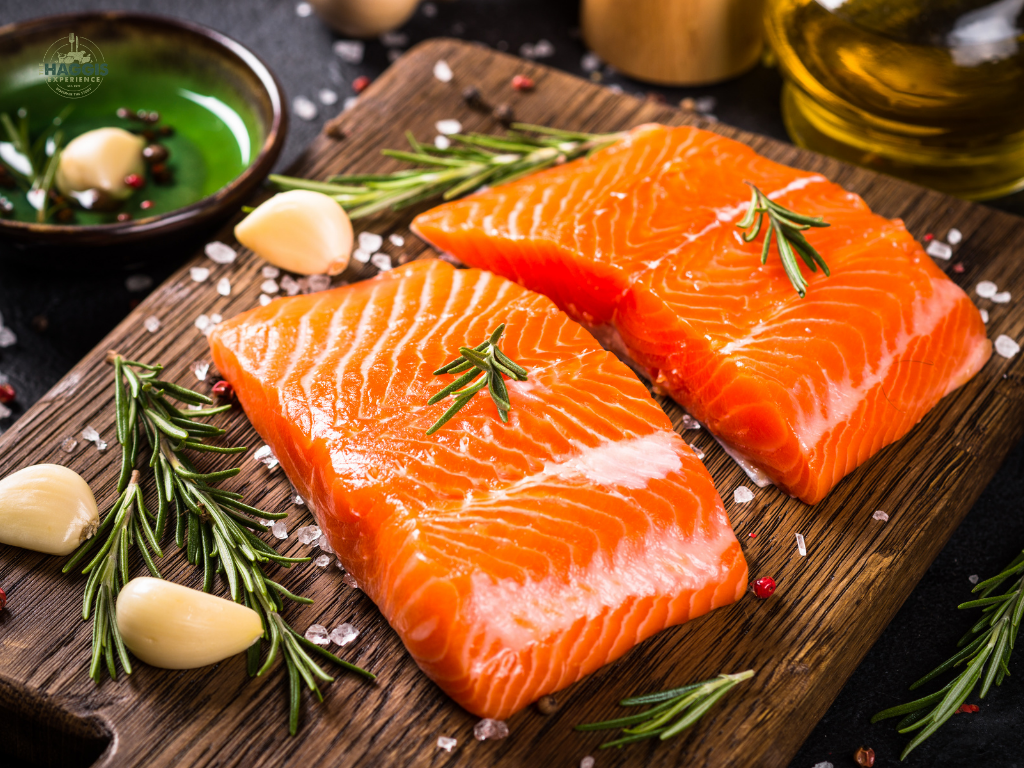
9. Scottish Salmon
Scottish salmon is internationally recognised for quality.
Served smoked, grilled or cured, salmon appears across Scotland’s food scene.
Cold-smoked salmon with oatcakes and cream cheese remains one of the country’s most recognisable dishes.
Visitors travelling through the Highlands and islands will often encounter small smokehouses producing exceptional seafood.

10. Clootie Dumpling
Clootie dumpling is old-fashioned Scottish comfort food.
This dense fruit pudding was traditionally boiled in a cloth, or “cloot”.
Packed with dried fruit, spices and suet, it is strongly associated with family gatherings and older Scottish traditions.
Served warm with custard or cream, it remains a favourite in many rural communities.
Why Scottish Food Matters
Scottish food tells stories about survival, weather, migration, farming and celebration.
Many traditional dishes developed because communities had to make practical use of local ingredients in difficult climates. Oats, root vegetables, fish and preserved foods became central to the national cuisine.
Today, Scotland’s food scene balances these traditions with modern tourism and contemporary cooking.
Visitors increasingly seek experiences that feel authentic and rooted in place rather than generic international dining.
That is one reason experiences centred around traditional Scottish food continue to grow in popularity.
Where To Experience Traditional Scottish Food
Scotland offers many opportunities to try local dishes, but not all experiences feel equally authentic.
The most memorable meals are often found outside major tourist centres in places where food remains connected to local culture and hospitality.
Experiences like The Haggis Experience allow visitors to go beyond simply ordering haggis from a menu.
Guests can watch haggis being made by hand, learn about the history behind the dish and enjoy a traditional Scottish supper in a rural barn near Loch Lomond.
For travellers wanting something more personal and memorable than a standard restaurant meal, experiences like these offer a stronger connection to Scottish culture.
Your authentic experience starts here
Traditional Scottish food is far more varied and flavourful than many visitors expect.
Whether you are eating seafood on the coast, trying handmade haggis near Loch Lomond or finishing dinner with cranachan and whisky, Scotland’s cuisine reflects the landscape and communities that shaped it.
The best approach is simple.
Be curious.
Try something unfamiliar.
And do not leave Scotland without tasting real haggis.
 The Best Food Experiences in Scotland (Beyond Just Eating Out)